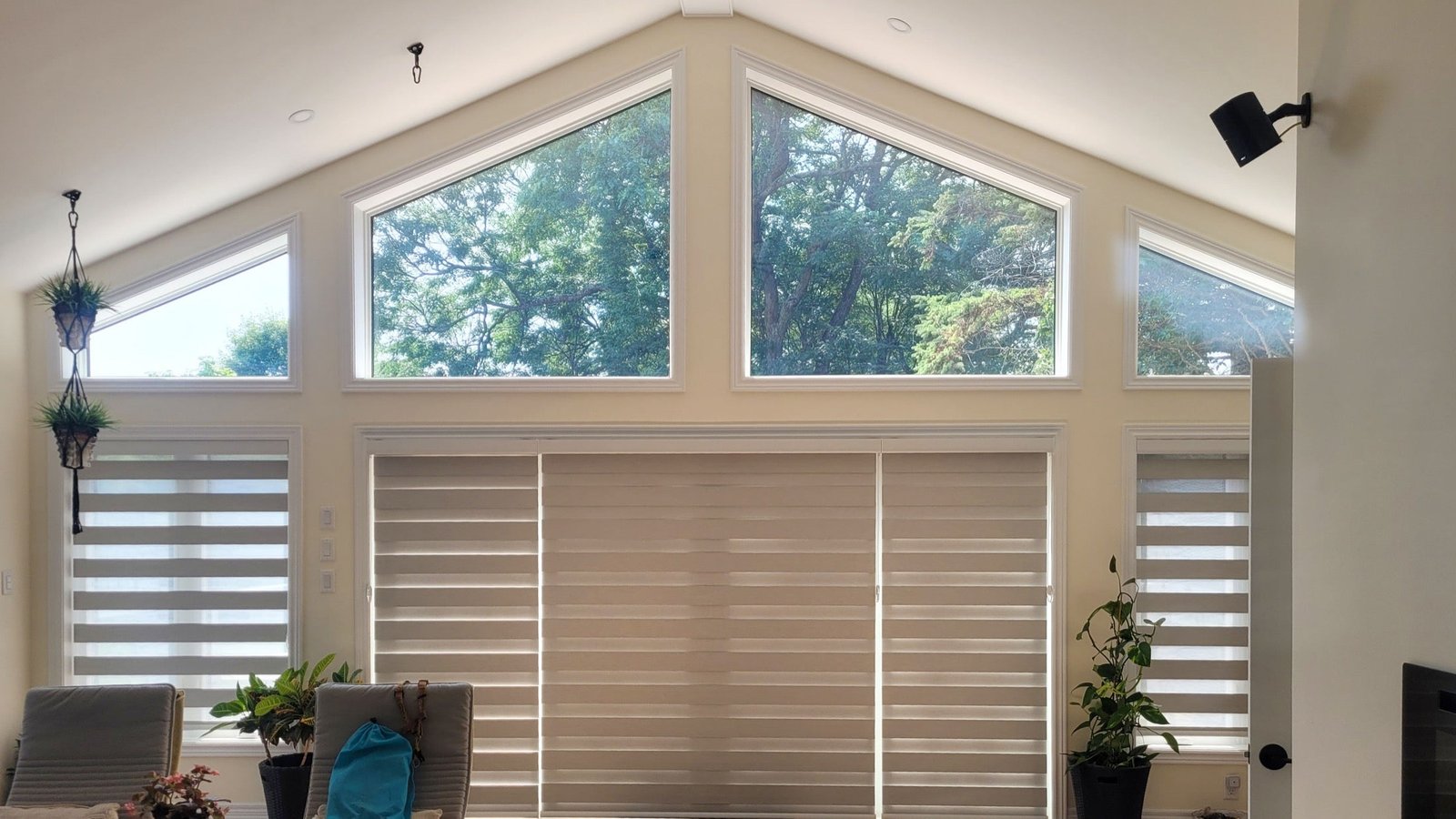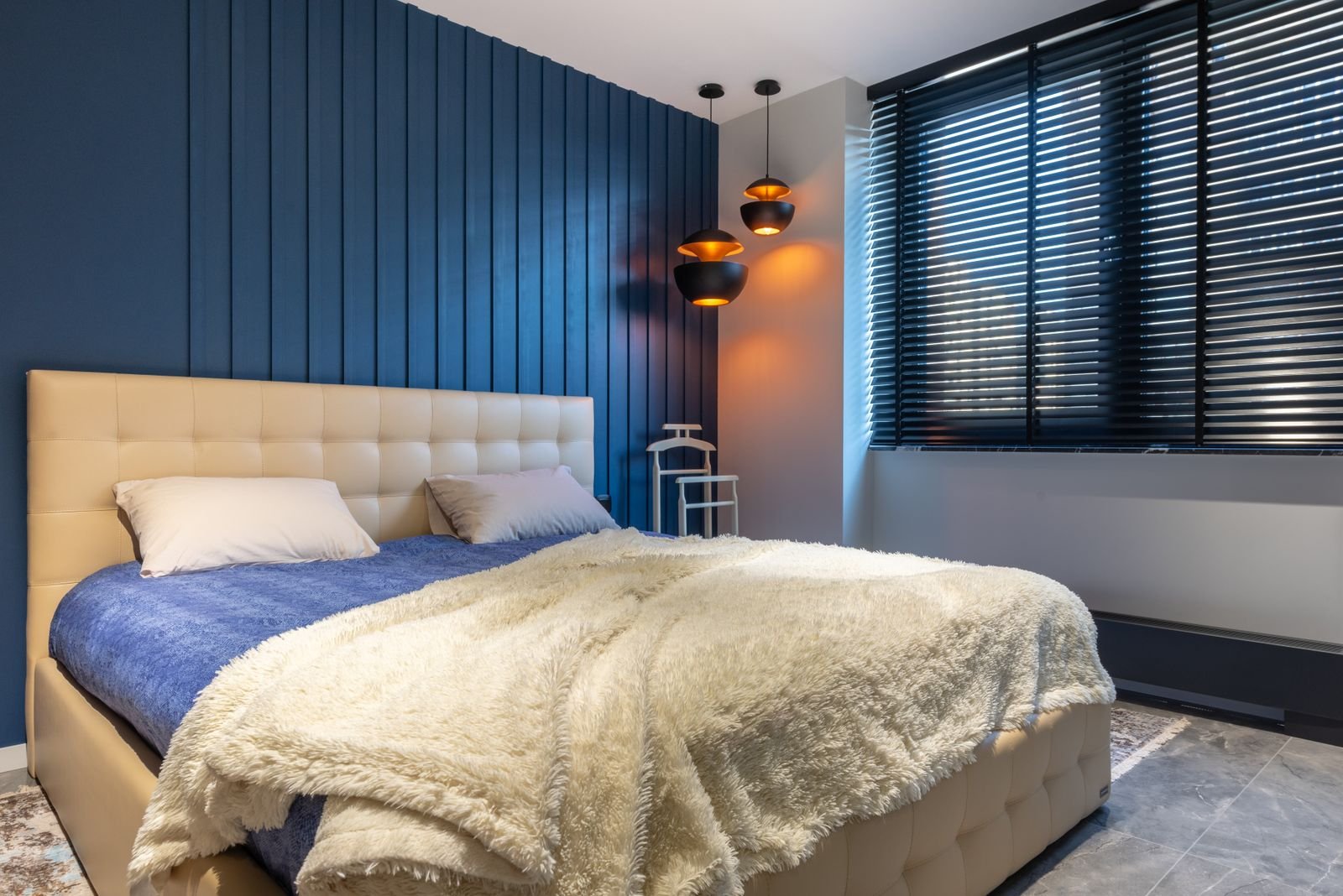
In an Ontario summer the sun can be up before 6 a.m., which is hard on light sleepers, shift workers and anyone trying to get a baby to nap. Plenty of shades are sold as blackout, but many bedrooms still glow around the edges. The fabric is only part of the answer. How the shade is mounted and what happens at the edges matter just as much.
Here is what actually makes a room dark, and how to choose blackout coverings for bedrooms and nurseries.
Key takeaways
- A blackout fabric stops light passing through the shade, but light still leaks around the edges.
- Side channels close those edge gaps and make the biggest difference to darkness.
- Outside mounts and layered drapery reduce light leakage further.
- For nurseries, choose cordless or motorized operation.
Why blackout shades still let light in
Any rolling shade needs a little clearance so the fabric can move without rubbing the frame. That clearance creates thin gaps down each side and sometimes along the top and bottom. On a bright morning those gaps show up as lines of light, even when the fabric itself blocks everything.
What makes a room truly dark
1. A genuinely opaque fabric
True blackout fabric is designed to block light completely, often with a coated or multi-layer construction. Room-darkening fabrics block most light but are not meant to be fully opaque. Hold a sample up to a bright window: if you can see a glow through it, it is not blackout.
2. Side channels
Side channels are slim tracks that run down both sides of the window. The edges of the shade travel inside them, which closes the gaps where light usually leaks. On our blackout shades this is the single biggest improvement you can make to darkness.
3. The right mount
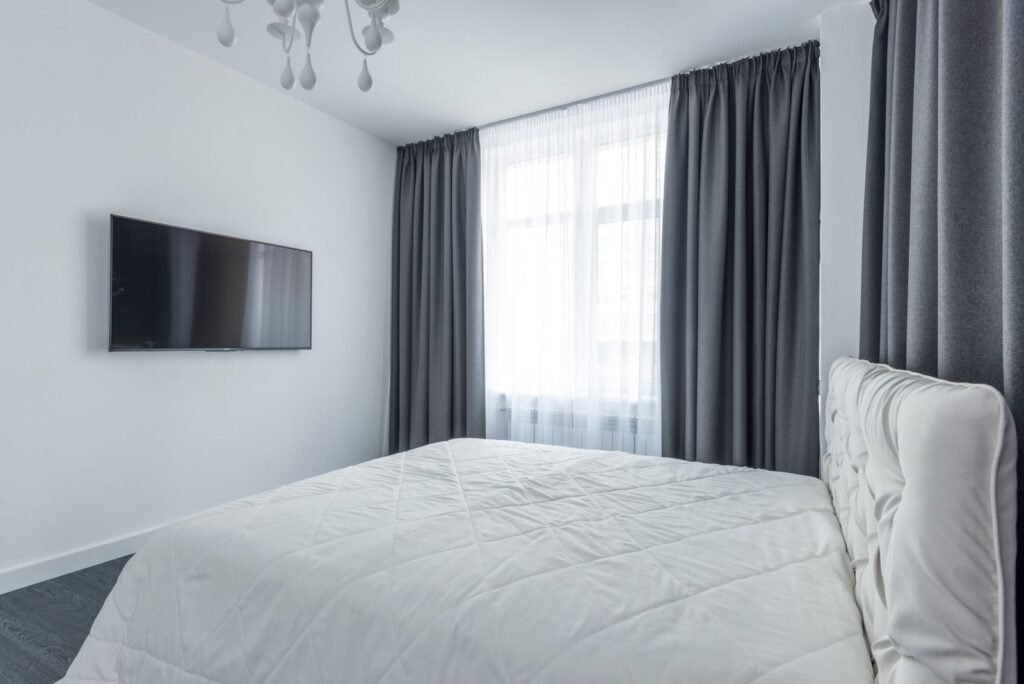
An inside mount looks tidy but leaves small gaps at the edges. An outside mount overlaps the frame on every side, which blocks more stray light. If you do not use side channels, an outside mount with generous overlap is the next best option.
4. Layering
Adding blackout drapery in front of a shade covers any remaining edge light and adds warmth in winter. It also softens the look of the room.
Options compared
| Option | How dark | Best for |
|---|---|---|
| Room-darkening zebra or roller shade | Dim, with some light at the edges | Guest rooms, adults who wake with the light |
| Blackout roller shade, inside mount | Very dark, thin edge gaps | Most bedrooms |
| Blackout shade with side channels | Near-total darkness | Nurseries, shift workers, media rooms |
| Blackout shade plus blackout drapery | Darkest, with extra insulation | Bedrooms facing east, very bright windows |
Choosing blackout for a nursery
- Go cordless or motorized. Health Canada’s Corded Window Coverings Regulations limit accessible cords to protect young children, and removing the cord entirely is the simplest approach.
- Close the edges. Side channels help naps happen in the middle of a bright afternoon.
- Think about schedules. Motorized shades can close at nap time and open gently in the morning without anyone going into the room.
- Pick a light colour if you like. Blackout performance comes from the fabric construction, not the colour, so a white or cream shade can still block light.
Blackout and energy efficiency
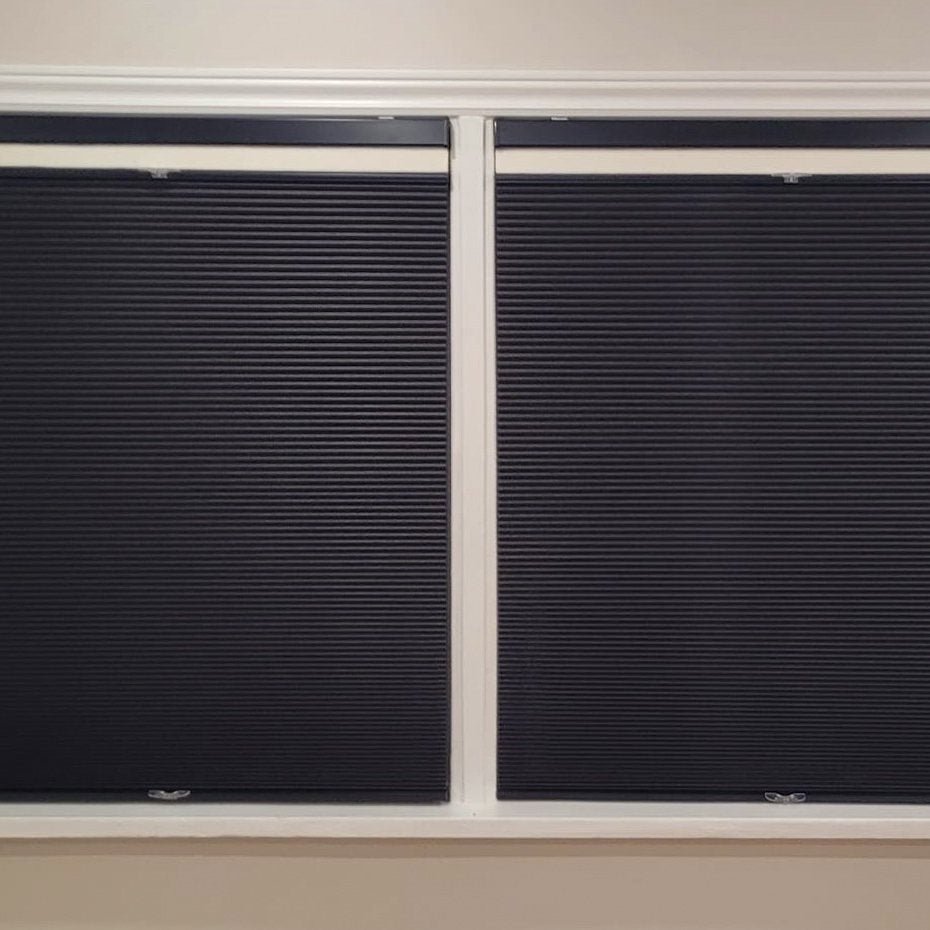
A closed blackout shade also acts as a barrier at the glass. It reduces heat gain on hot summer afternoons, and in winter it helps keep warmth in the room, especially when layered with drapery or combined with cellular shades.
Frequently asked questions
Do blackout blinds block 100% of light?
The fabric can, but light usually leaks around the edges. Side channels, outside mounts and layered drapery close those gaps.
Are white blackout shades as dark as dark-coloured ones?
Yes. Blackout performance comes from the fabric construction, so a light-coloured blackout shade still blocks the light.
Can I add blackout to my existing zebra blinds?
Many homeowners add blackout drapery over existing blinds. Alternatively, a separate blackout roller shade can be mounted behind or in front of the current blind where there is room.
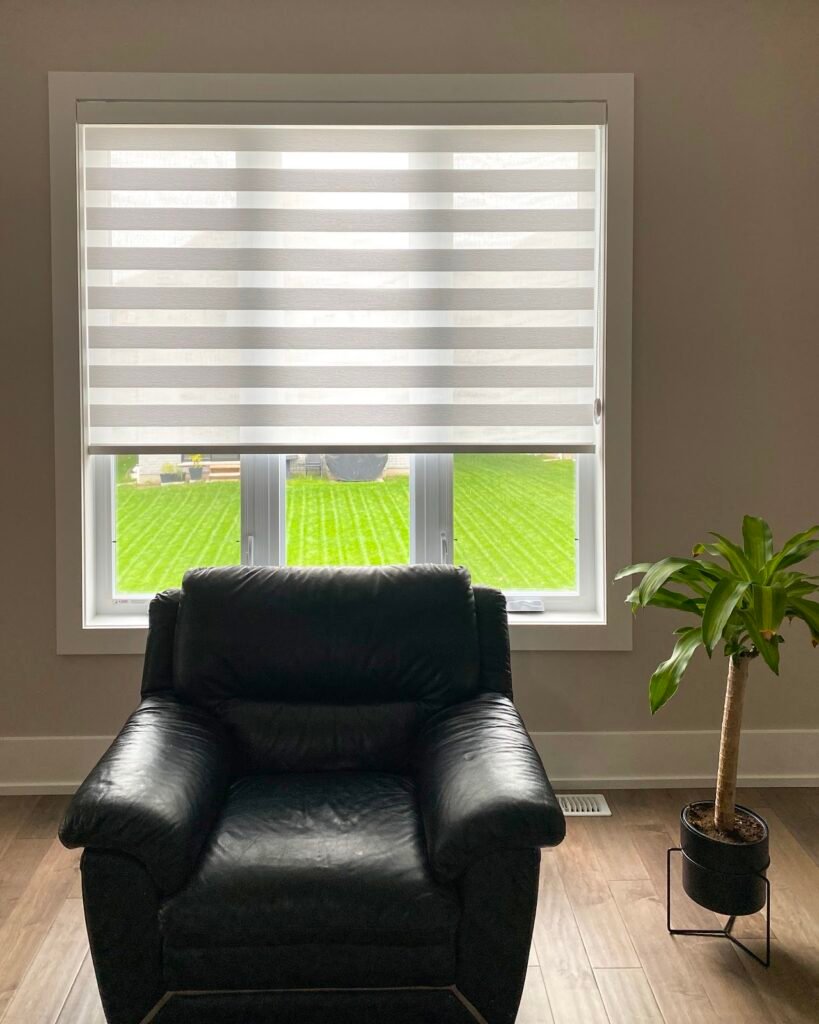 How to Measure Windows for Blinds: Inside vs Outside Mount
A step-by-step guide to measuring windows for custom blinds, with the difference between inside and outside mounts and the mistakes to avoid.
Read the guide
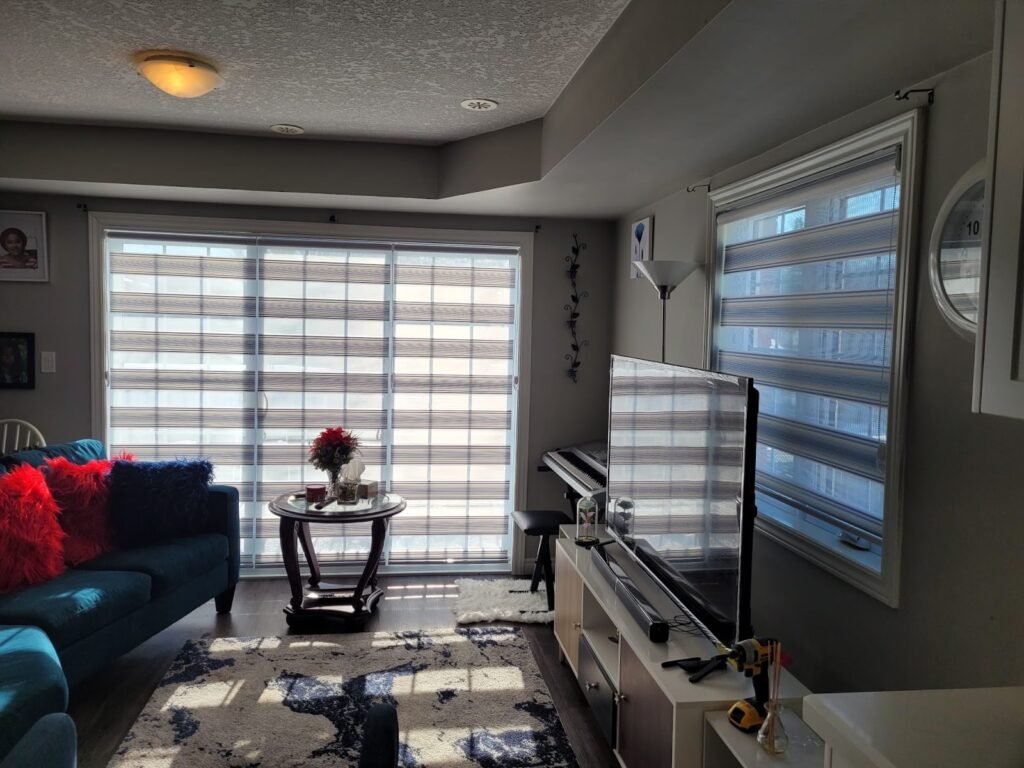 Zebra Blinds vs Vertical Blinds: How to Choose for Every Room
A side-by-side comparison of zebra and vertical blinds, plus room-by-room advice on which one fits your windows, doors and daily routine.
Read the guide
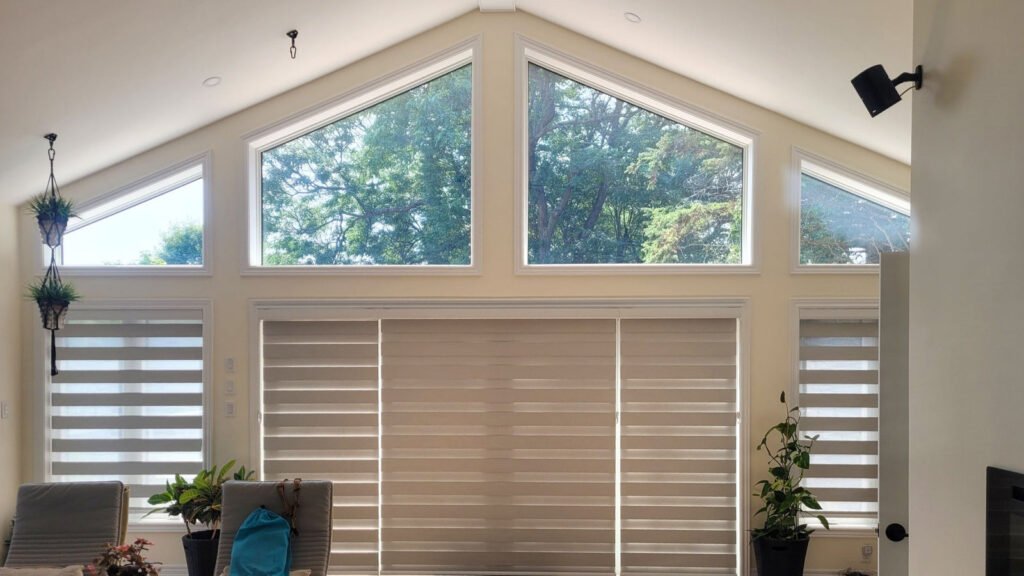 Why Buy Canadian-Made Blinds? 6 Practical Advantages
Fit, lead times, after-sales support and more: what actually changes when your blinds are made locally, plus the questions to ask any blinds company.
Read the guide